

Dolomite Calcination Plant
EPC Solution for Dolomite Calcination
Capacity: 5,000-25,000 t/a
Material: dolomite, ferrosilicon, etc.
Equipment: dolomite rotary kiln, preheater, crusher, conveyor, screen, bag filter, etc
Dolomite calcination plant is a complete production line for dolomite calcination. Generally, a dolomite calcination plant comprises preheater system, dolomite rotary kiln, cooling system, flue gas treatment system, conveying system, pulverized coal preparation system, and other accessory equipment.
Is investing in a dolomite calcination plant worth it? Calcinated dolomite produced by the dolomite calcination plant has characteristics of stable quality, high activity, and low burning loss. Fully meeting the process requirements for magnesium production, the extraction and utilization rate of silicon is also relatively high, reducing the production cost of metallic magnesium.
What can we do? AGICO CEMENT offers integrated solutions for dolomite calcination plants, which cover plant design, equipment supply, spare parts, installation, and other customized needs. As a leading rotary kiln supplier, we have built many rotary kiln calcination plant projects in various regions and countries, such as Tanzania, Singapore, Turkey, Korea, etc.


Dolomite calcination process
STEP1: Raw material storage and transportation
Crush, screen, and mix dolomite raw materials to ensure that their particle size, chemical composition, and moisture content meet the process requirements. The qualified products after particle size inspection are sent to the top material bin of the preheater through a belt conveyor and vibration to evenly remove dust and soil from the raw materials.
STEP2: Calcination of dolomite
The dolomite calcination system consists of a vertical preheater, a rotary kiln, and a vertical cooler. The material is introduced into the preheater body through the discharge chute from the top silo of the preheater. At the same time, the high-temperature flue gas introduced from the rotary kiln preheats the material to above 600 ℃, causing partial decomposition of dolomite. Then, the vertical preheater hydraulic push rod is sequentially pushed into the tail of the rotary kiln. Due to the inclination and slow rotation of the cylinder, the material rolls in the circumferential direction and moves in the axial direction, continuing the process of decomposition and firing. The calcium carbonate and magnesium oxide in dolomite will decompose and undergo a series of physical and chemical changes, ultimately forming calcined dolomite
STEP3: Cooling
After high-temperature calcination in the rotary kiln, the material is unloaded into the cooling equipment and cooled by cold air blown in by a fan to below 100 ℃ before being discharged from the cooler. The air blown in by the cooler enters the rotary kiln as secondary air to participate in calcination. The high-temperature flue gas generated by the combustion of the rotary kiln undergoes heat exchange with dolomite in the preheater, and the exhaust gas enters the cooling equipment. The temperature of the discharged gas decreases (200~300 ℃), and an additional stage of cooling is added. Some of it enters the bag filter and settles at the bottom of the cooler to achieve pre dust removal effect.
STEP4: Finished product process
Grind the cooled dolomite to achieve the desired fineness and particle distribution. Package the ground calcined dolomite for transportation and storage.

dolomite rotary kiln
The dolomite rotary kiln is core equipment used in the dolomite calcination plant. AGICO has integrated many high and new technologies and new processes in the development process. The dolomite rotary kiln is mainly divided into two aspects during the working process: one is the combustion equipment, in which coal powder burns to generate heat, and the other is the heat transfer equipment, in which raw materials absorb the heat of gas for calcination. In addition, sometimes the conveying equipment transports raw materials from the feeding end to the discharging end, and the three aspects of fuel combustion, heat transfer, and raw material movement must be reasonably coordinated to timely transfer the heat generated by fuel combustion to the raw materials during their passage through the rotary kiln, to achieve high yield, high quality, and low consumption.

Working principle: when calcining dolomite in a dolomite rotary kiln, the internal dolomite calcination process is actually an endothermic decomposition process. The thermal decomposition of dolomite is carried out in two stages: first, MgCO3 decomposes to produce MgO; Then CaCO3 decomposes to produce CaO. The decomposition temperature of Mg2CO3 requires 720 ℃ to 800 ℃, and the decomposition temperature of CaCO3 requires 900 ℃ to 930 ℃. In actual production, due to the differences in ore characteristics and particle size of calcined ores in different regions, the calcination temperature also varies slightly. Generally, the calcination temperature is set between 1100 ℃ and 1250 ℃, which can be determined through experiments.
Advantages of dolomite rotary kiln

advanced technical support
We have added a new PLC automatic control system to the dolomite rotary kiln, which can monitor the temperature inside the kiln through computer and complete automatic calcination operations. The operation is easier and more intelligent, and the heat source can be fully utilized in production to reduce hot air loss. The transmission device rotates the cylinder according to the specified operating parameters through the gear ring located in the middle of the cylinder, completing the processing work with quality and quantity guaranteed. The processing capacity is strong and stable, achieving high-yield operation.

strict quality control
In the design of the dolomite calcination kiln, the calcination technology has been strictly controlled. Reliable kiln tail and kiln head sealing devices are installed at the feed and discharge ends of the cylinder, and soundproofing and dust removal equipment are configured to reduce smoke and dust flying out and noise during operation, which meets the environmental protection regulations of the production site. Multiple raw materials such as electricity, gas, and coal can be used as heat sources to concentrate heat energy utilization, reduce waste, and save a lot of energy consumption costs.
Related equipment of dolomite calcination plant
- Preheater: the preheater is mainly used to improve the heat exchange performance of the rotary kiln and effectively reduce energy consumption. Preheaters can be divided into square, circular, and polygonal vertical preheaters, and manufacturers can choose different preheaters according to actual situations. The preheater adopts a hydraulic push rod to feed the rotary kiln, making the equipment operate more reliably.
- Vertical cooler: vertical cooler is mainly used to remove heat from equipment. The four areas of the vertical cooler can be controlled separately, with good cooling effect and easy maintenance. Because the vertical cooler has no moving parts, its structure is simpler and more reasonable.
- Combustion device: he combustion device of the energy-saving and environmentally friendly dolomite calcination kiln burns materials more fully, does not damage the kiln skin, and is easy to maintain, saving costs. The working performance of the combustion device is more reliable and stable, the combustion effect is more ideal, and there are measures such as venting, emergency cut-off, and automatic blowing, making it safer and more reliable to use.


specification of dolomite calcination plant
| Item name | Parameter for different production capacity | |||
|---|---|---|---|---|
| 5000t/a | 10000t/a | 15000t/a | 20000t/a | |
| Vibration screen | AG1020 | AG1020 | AG1230 | AG1250 |
| Inclined Belt Conveyor | DJ.B500 | DJ.B500 | DJ.B650 | DJ.B800 |
| Vertical Preheater | Quadrangle | Hexagon | Octagon | Decagon |
| Rotary kiln | Φ2.5×40m | Φ3.0×50m | Φ3.3×55m | Φ38×58m |
| Vertical cooler | 3.6×3.6 | 3.6×3.6 | 3.6×3.6 | 4.1×4.1 |
| Cyclone filter | Ø2500 | Ø2800 | 2×Ø2000 | 2×Ø2800 |
| High temp. bag filter | ZL2100 | ZL2350 | ZL3300 | ZL4300 |
| High temp. fan | N=315kW | N=355kW | N=500kW | N=800kW |
| Bag filter | ZM32-4 | ZM32-5 | ZM64-4 | ZM64-6 |
| Ball mill | MQG1.83×7m | MQG2.2×7m | MQG2.4×7m | MQG3.0×9m |
calcined dolomite uses
Calcined dolomite can be applied in many fields including building material, chemicals, ceramic and other industries. Are you ready to start a business of the dolomite calcination plant, start it today!


building material
High temperature calcined dolomite has a wide range of applications in the field of building materials. After calcination, dolomite can be used to produce high-performance materials such as limestone powder, calcium oxide, heavy calcium carbonate, etc., which are used in fields such as construction, coatings, papermaking, plastics, rubber, etc. It has excellent physical and chemical properties, good durability, low gray-white content, high support strength, and is not easy to crack. It can meet the requirements of various building materials under different conditions.
Chemical raw materials
Dolomite can be calcined to produce raw materials such as calcium oxide, heavy calcium carbonate, and ferrous carbonate, which are widely used in the chemical industry. Calcium oxide is widely used in metal smelting, fertilizer production, pharmaceutical preparations, environmental protection, water treatment and other fields. Ferrous carbonate is commonly used as a buffering agent for aluminum chloride, which helps to stabilize the pH of aluminum chloride and improve the settling rate of aluminum and water treatment efficiency.
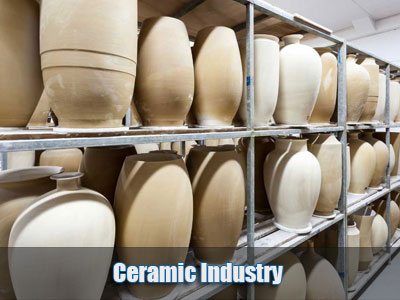
Ceramic
The calcined dolomite is also one of the important raw materials for manufacturing porcelain. Usually, high-temperature furnace heating and sintering are used to produce calcium oxide, magnesium oxide, etc. These materials have the characteristics of hardness, delicacy, small shrinkage, and lightweight. After repeated grinding, they can be made into high-quality porcelain.
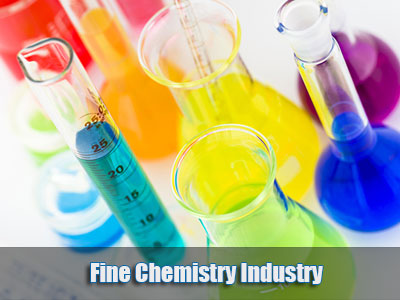
Fine Chemistry
The calcined dolomite is also widely used in the field of manufacturing fine chemicals. For example, calcium oxide can be used to manufacture cement, ceramic pigments, paints, etc. It can also be used in environmental protection, manufacturing various TV tubes, ceramic reactors, and other fine chemical fields. Heavy calcium carbonate can be used as a calcium additive in food processing, as a food nutrition enhancer, feed additive, pharmaceutical additive, and so on.